China Top Construction Safety Solutions Which Are Best?

Time:2026-10-07 Author:Ethan
0%

On a busy construction site, safety is not created by one product or one warning sign. It comes from connected controls that workers can understand and use under pressure. For companies comparing China’s top construction safety solutions, the key question is “which safety solutions are best for construction sites”? The answer depends on site conditions, worker behavior, project stage, and the quality of daily supervision. A high-rise project needs reliable edge protection, fall-arrest systems, access control, and visible hazard communication. A road project may require stronger traffic separation, lighting, and equipment-monitoring systems.

Sidney Dekker, a leading safety researcher and author, said, “Safety is not the absence of accidents; safety is the presence of capacity.” This principle matters when evaluating suppliers. A solution should work during rain, dust, poor visibility, and rushed shifts. It should also include training, inspection records, maintenance support, and clear user instructions. Technology can help. Wearable alarms, smart cameras, and digital permits may identify risks earlier. Yet technology alone cannot correct weak planning or careless installation.

The strongest approach combines engineering controls, practical training, emergency readiness, and continuous improvement. Walk through the site. Check the guardrails. Watch how workers move materials near open edges. Small details reveal serious weaknesses. Some solutions may look impressive but fail during ordinary work. That is an uncomfortable reality. Cost, convenience, and supplier reputation also need honest review. No system is perfect. The best choice is the one that reduces exposure, supports safer decisions, and remains dependable after the launch presentation ends.
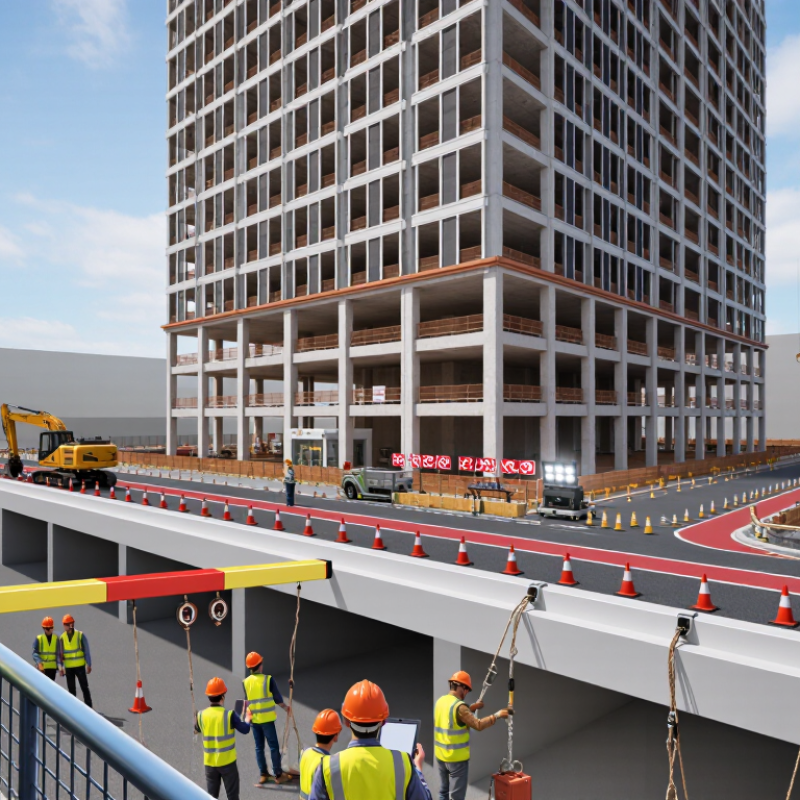
China Top Construction Safety Solutions Which Are Best?

Understanding Construction Safety Solutions in China

Understanding construction safety solutions in China requires more than buying protective equipment. China’s construction sector is enormous and highly dispersed. China Statistical Yearbook 2024 reports a construction industry output value of about RMB 31.6 trillion in 2023. This scale creates uneven safety practices across projects, regions, and subcontractors.

Practical solutions begin with risk control at the workface. Digital site platforms can connect permit records, equipment inspections, worker training, and hazard reports. Cameras and sensors may identify missing guardrails, unsafe lifting zones, or unusual equipment movement. The International Labour Organization’s 2023 estimates recorded 2.93 million work-related deaths worldwide. Construction remains one of the most exposed sectors. Data matters, but response speed matters more.

China’s effective projects usually combine engineering controls, clear supervision, and repeated worker training. Guardrails, stable scaffolding, fall-arrest systems, dust control, and emergency drills should be checked daily. Wearable alerts can help in heat, confined spaces, and high-risk areas. Still, technology is not a magic shield. Site experience shows that ignored alarms quickly become background noise. Some contractors also focus on inspection records instead of actual behavior. That weakness needs honest review. Safety managers should compare reports with现场 conditions, interview workers, and correct recurring hazards before schedules become the priority.

Key Chinese Safety Standards, Regulations, and Compliance Requirements

China’s construction safety requirements combine national laws, mandatory standards, and local enforcement practices.

The Work Safety Law and Construction Law establish core duties for employers, contractors, and project managers.

The Regulations on Safety Production Management of Construction Projects require documented risk controls, qualified personnel, worker training, and emergency arrangements.

Compliance should begin before mobilization, not after an inspection notice.

Technical details matter on site. JGJ 59-2011 supports safety inspections for building construction.

GB/T 50720-2011 addresses fire safety at construction sites, including temporary buildings, hot work, extinguishers, access routes, and flammable storage.

Projects may also need current requirements for scaffolding, lifting equipment, electricity, confined spaces, and special equipment.

Local authorities can apply additional rules. Check the latest editions and municipal notices.

A copied checklist is not enough.

During a site walk, blocked escape paths or missing guardrails often reveal gaps that paperwork hides.

Tips: Assign one accountable safety lead for each work zone.

Record daily briefings, inspections, corrective actions, and closure evidence.

Verify subcontractor qualifications before work starts.

Photograph changing hazards, such as open edges or overloaded platforms.

Train workers in a language they understand.

Review emergency drills honestly; a perfect record may signal weak reporting.

Experienced teams should also question familiar routines, because yesterday’s safe method may not fit today’s site conditions.

Major Types of Construction Safety Technologies and Equipment

China Top Construction Safety Solutions Which Are Best?

Major Types of Construction Safety Technologies and Equipment

Construction safety begins with visible protection. Hard hats, safety glasses, gloves, reflective vests, and reinforced boots protect workers from common site hazards. However, personal protective equipment cannot control every risk. It should support, not replace, hazard assessments and safe work procedures.

Fall protection remains essential on elevated platforms and unfinished floors. Guardrails, safety nets, anchor points, and full-body harnesses reduce injury risks when installed correctly. Scaffolding needs stable bases, secure platforms, toe boards, and frequent inspections. On active sites, lifting equipment can use overload sensors, angle indicators, and warning alarms. These devices help operators notice unstable loads before movement becomes dangerous.

Environmental monitoring adds another layer of control. Gas detectors can identify oxygen deficiency or harmful vapors in enclosed areas. Dust monitors help teams respond when visibility or air quality declines. Wearable devices may track location, fatigue signals, or emergency alerts. Cameras and aerial inspections can reveal open edges, blocked routes, or damaged structures without placing workers in unnecessary danger.

From practical site observations, technology works best when workers understand its limits. A sensor may fail because of poor calibration. A harness may be worn incorrectly. I have seen rushed inspections miss loose guardrails, despite detailed checklists. Regular training, equipment records, supervisor verification, and worker feedback make these systems more dependable. Safety planning must remain active as the site changes.

How to Evaluate and Compare China’s Leading Safety Solutions

China Top Construction Safety Solutions Which Are Best?

How to Evaluate and Compare China’s Leading Safety Solutions

Choosing a construction safety solution requires more than comparing prices or software features. Practical evaluation should begin with site conditions, project risks, and workforce experience.

Visit active project sites when possible. Observe how workers use alarms, access controls, protective equipment, and emergency communication tools. A solution that looks impressive in a demonstration may become confusing in dust, rain, or loud environments. Test it there.

Review evidence carefully. Ask for inspection records, training materials, maintenance schedules, and independently verified performance data. Check whether the system supports local safety requirements and recognized international standards. Clear documentation shows professional control, not just marketing confidence.

Talk with site managers and frontline workers. Their feedback can reveal delayed alerts, difficult interfaces, or unreliable sensors. These details matter.

Compare response speed, durability, integration, technical support, and total ownership cost. A low purchase price may hide frequent calibration or replacement expenses. A more advanced system may also be unsuitable if workers cannot operate it confidently.

Consider data security and access permissions. Safety information should remain accurate, traceable, and available to authorized personnel. Regular drills can test whether the solution works during power interruptions or network failures.

No solution is perfect. Evaluation teams may overlook human behavior or changing site layouts. Recheck performance after installation, not only during procurement. Small weaknesses deserve written action plans and regular review.

China Top Construction Safety Solutions Which Are Best? — How to Evaluate and Compare China’s Leading Safety Solutions
Safety Solution Primary Risk Addressed Key Components Relevant Chinese Standards or Regulatory Basis Measurable Evaluation Indicators Main Advantages Limitations and Control Considerations Best-Fit Application
Guardrails, Edge Protection and Safety Nets Falls from open edges, floor openings, roofs and elevated work platforms. Top rails, mid-rails, toe boards, opening covers, fixed barriers and safety nets. JGJ 80-2016, Technical Specification for Safety of Work at Height in Building Construction; JGJ 59-2011, Standard for Inspection of Building Construction Safety. Coverage of all exposed edges and openings; barrier height and fixing condition; inspection completion rate; number of unprotected openings. Very High
Physical controls reduce exposure before a worker relies on personal protective equipment.
Protection can be removed or displaced during material movement. Daily inspection and controlled reinstatement are necessary. Building structures, façades, roofs, shafts, stairwells and large floor-plate projects.
Scaffold and Formwork Safety Management Collapse, instability, falling objects and falls during erection, alteration or dismantling. Design review, foundation checks, ties, bracing, access ladders, loading controls, inspection tags and dismantling procedures. JGJ 130-2011, Safety Technical Code for Steel Tubular Scaffold with Couplers in Construction; JGJ 162-2008, Technical Code for Safety of Constructional Formwork. Inspection before use and after severe weather; tie and bracing completeness; foundation settlement; approved load limits; defect closure time. Very High
Combines engineering design, physical stability and documented inspection.
Requires competent technical personnel and disciplined control of unauthorized alterations and overloading. High-rise construction, façade work, concrete formwork and projects using extensive temporary structures.
Fall-Arrest Personal Protective Equipment Falls where collective protection cannot fully eliminate work-at-height exposure. Full-body harness, energy absorber, lanyard or lifeline, certified anchor point, rescue plan and pre-use inspection. GB 6095-2021, Fall Protection—Personal Fall Protection Systems; JGJ 80-2016. Correct harness fit; anchor-point suitability; equipment inspection status; worker training completion; rescue readiness; damaged-equipment withdrawal rate. High
Provides individual protection for short-duration or specialist work.
It does not prevent a fall by itself and may cause suspension trauma. Anchor strength, clearance, compatibility and rescue planning are critical. Steel erection, façade installation, roof maintenance and areas where guardrails are impractical.
Temporary Electrical Safety and Residual-Current Protection Electric shock, short circuit, overload and electrical fire from temporary site installations. Distribution boards, protective earthing, residual-current devices, isolation switches, weatherproof enclosures, cable management and periodic testing. JGJ 46-2005, Technical Code for Safety of Temporary Electrical Installation on Construction Site; GB 50194-2014, Code for Electrical Safety of Construction Site. Protection-device test records; earthing continuity; enclosure condition; cable damage rate; unauthorized connection count; inspection closure rate. Very High
Engineering protection can disconnect hazardous circuits quickly when correctly selected and maintained.
Incorrect device selection, bypassing, wet conditions and unapproved modifications can defeat the system. All construction sites, especially projects with multiple subcontractors and high temporary power demand.
Fire Prevention and Hot-Work Control Fire caused by welding, cutting, flammable materials, temporary wiring and inadequate housekeeping. Hot-work permits, fire watch, extinguishers, separation of combustibles, temporary fire-water facilities, evacuation routes and alarm arrangements. GB 50720-2011, Technical Code for Fire Prevention of Construction Site; applicable fire-safety provisions for construction projects. Permit compliance; fire-extinguisher availability; combustible-storage separation; post-work fire-watch duration; emergency-drill completion; blocked-exit count. High
Combines prevention, rapid detection and emergency response.
Performance depends strongly on housekeeping, subcontractor discipline and continuous supervision during high-risk work. Interior fit-out, renovation, welding areas, temporary accommodation and projects with combustible insulation or materials.
Dust, Silica and Noise Control Respiratory exposure, occupational lung disease and excessive noise from cutting, drilling, demolition and material handling. Wet cutting, local exhaust ventilation, enclosure, suitable respirators, hearing protection, exposure monitoring and work-rest controls. GBZ 2.1-2019, Occupational Exposure Limits for Hazardous Agents in the Workplace—Part 1: Chemical Hazardous Agents; relevant occupational health and environmental requirements. Measured dust and noise levels; wet-cutting compliance; ventilation performance; respirator-fit and replacement records; worker exposure duration. High
Controls can reduce exposure at the source instead of relying only on personal protection.
Weather, enclosed spaces, poor maintenance and incorrect respirator selection can reduce effectiveness. Monitoring should represent actual worker exposure. Demolition, concrete cutting, stone processing, tunnel work and enclosed interior construction.
Smart Site Monitoring and Digital Safety Management Delayed reporting, unauthorized access, unsafe behavior and limited visibility across large or dispersed sites. Cameras, access control, worker training records, inspection workflows, geofencing, environmental sensors and corrective-action dashboards. Supports compliance management under JGJ 59-2011 and project-specific digital-construction requirements; hardware and data processing must also follow applicable cybersecurity and privacy rules. Alert precision and response time; inspection closure rate; training validity; equipment uptime; repeat-violation rate; percentage of actions closed by deadline. Moderate to High
Improves traceability, trend analysis and supervision across multiple work areas.
It is a supplementary control, not a replacement for guardrails, engineering design, competent supervision or emergency preparedness. False alarms and poor connectivity require management. Large infrastructure, high-rise, multi-contractor and geographically dispersed projects.
Lifting and Hoisting Safety Management Load drops, crane overturning, struck-by incidents and uncontrolled suspended loads. Lift plans, competent operators and signalers, certified lifting accessories, exclusion zones, pre-use checks, load charts and weather restrictions. GB/T 6067.1-2010, Safety Rules for Lifting Appliances—Part 1: General; applicable regulations for special equipment and construction lifting operations. Valid inspection certificates; sling and accessory condition; lift-plan approval; exclusion-zone compliance; overload or alarm events; near-miss closure. Very High
Clearly defined planning and exclusion controls can prevent high-consequence lifting events.
Wind, poor communication, ground conditions, blind lifts and unauthorized personnel access can create rapidly changing risks. Tower-crane operations, mobile cranes, precast installation, steel erection and heavy-material handling.
Evaluation approach: prioritize solutions that eliminate or engineer out hazards first, then use administrative controls, digital monitoring and personal protective equipment as complementary layers. Final selection should be based on the project risk assessment, site conditions, workforce competence, inspection evidence and compliance requirements.

Implementation, Training, Monitoring, and Continuous Improvement

Effective construction safety in China begins with practical implementation, not paperwork alone. Site leaders should convert risk assessments into clear controls for lifting, excavation, scaffolding, traffic, and electrical work. Before each shift, supervisors can check guardrails, access routes, lighting, and equipment condition. Workers need simple instructions near the task, especially where several contractors share one area. Small details matter.

Training should match real activities and worker experience. New workers need supervised induction before entering active zones. Experienced crews also need refreshers after incidents, process changes, or long absences. A useful exercise might involve stopping a simulated falling-object risk and reporting it without blame. Attendance alone proves little. Trainers should ask workers to explain the control in their own words. Some sessions may still feel repetitive, and that weakness deserves honest review.

Monitoring requires visible leadership. Daily inspections, hazard cards, and equipment logs create useful evidence when completed accurately. Cameras can support observation, but they cannot replace conversations or field judgment. Managers should investigate near misses quickly, identify failed controls, and assign owners with realistic deadlines. Monthly reviews can compare repeated hazards, training quality, response time, and corrective-action closure. Improvement becomes credible when workers see changes on the same site. We may still miss hidden risks. That admission matters. Rechecking controls after weather changes, night work, or subcontractor turnover keeps the system active rather than decorative.

FAQS

What does effective construction safety in China require?

It requires more than protective equipment. Controls must match actual hazards, worker behavior, and changing site conditions. No system is perfect.

Which hazards should site teams check daily?

Check missing guardrails, unstable scaffolding, unsafe lifting zones, dust, heat, and blocked escape routes. Photograph hazards that change during the shift.

How can digital tools improve construction safety?

Digital platforms can connect permits, inspections, training records, and hazard reports. Cameras and sensors may detect unusual movement or missing protection. Data helps. Response matters.

What safety controls are especially important on work sites?

Use guardrails, stable scaffolding, fall-arrest systems, dust controls, and clearly marked lifting areas. Inspect temporary structures and access routes every day.

What legal and technical requirements should projects consider?

Projects should follow national work safety laws, construction rules, mandatory standards, and local notices. Requirements may cover fire safety, scaffolding, lifting, electricity, and confined spaces.

Why are local requirements important?

Local authorities may apply additional procedures or current notices. A copied checklist can miss municipal expectations and real site conditions. Check the latest requirements.

How should contractors train workers?

Training should use a language workers understand. Cover hazards, equipment use, emergency actions, and reporting procedures. Short briefings work well near the actual workface.

How can managers identify weak safety reporting?

Compare inspection records with site conditions and worker interviews. Repeated hazards suggest weak follow-up. A flawless record may signal underreporting.

How should safety managers handle alarms and corrective actions?

Assign one accountable lead for each work zone. Record the issue, correction, and closure evidence. Ignored alarms become background noise. Review recurring failures honestly.

Conclusion

China’s construction safety landscape combines regulatory compliance, practical risk management, and technology-based prevention. This overview explains how companies can understand national and local safety requirements, establish effective procedures, and protect workers across different construction environments. It also introduces major safety solutions, including personal protective equipment, site monitoring systems, access control, emergency communication tools, fall protection, fire prevention equipment, and digital inspection platforms. Understanding how these solutions work together is essential for reducing accidents and improving daily operations.

To determine which safety solutions are best for construction sites, project managers should compare solutions according to hazard coverage, compliance, durability, ease of use, maintenance needs, scalability, and total cost. Successful implementation also depends on clear training, regular inspections, reliable reporting, continuous monitoring, and prompt corrective action. By combining suitable equipment with strong management practices and ongoing improvement, construction organizations can create safer, more efficient, and more accountable project environments.

Ethan

Ethan

Ethan is a seasoned marketing professional with a deep expertise in our company's innovative product line. With a passion for sharing knowledge and insights, he takes the lead in regularly updating our corporate blog, where he explores industry trends, product features, and effective marketing......