How to Effectively Manage Traffic Flow in Temporary Work Zones?

Time:2026-05-11 Author:Mason
0%

Effectively managing traffic flow in temporary work zones is crucial to ensure safety and minimize delays. According to the Federal Highway Administration (FHWA), nearly 40% of urban traffic congestion can be attributed to construction-related activities. This statistic highlights the importance of understanding how to manage traffic flow in temporary work zones. Proper traffic management can significantly reduce both vehicle emissions and overall commute times.

Research shows that poorly managed work zones can cause a 20-50% increase in travel time for motorists. Additionally, the National Institute for Traffic and Road Safety reports that over 24,000 crashes occur annually in these zones. It is essential for planners and engineers to implement strategies that mitigate these risks while maintaining a smooth traffic flow. Real-time data and modern technology can provide valuable insights into traffic patterns and help in making informed decisions.

Challenges persist in effectively coordinating traffic signals and signage in these environments. Some work zones still rely on outdated methods, leading to frustration for drivers. Continuous evaluation and adaptation of traffic management plans can bridge the gap between safety and efficiency, emphasizing the question of how to manage traffic flow in temporary work zones. It is a learning process, where each project offers new insights and opportunities for improvement.
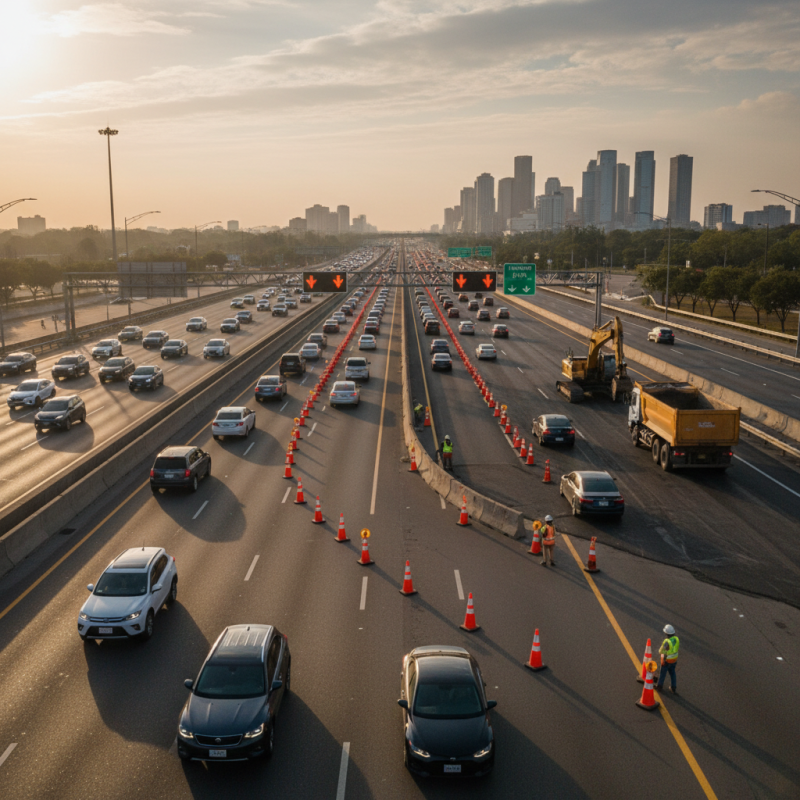
How to Effectively Manage Traffic Flow in Temporary Work Zones?

Understanding the Importance of Traffic Management in Work Zones

Effective traffic management in temporary work zones is crucial for maintaining safety and efficiency. According to the Federal Highway Administration, work zone crashes account for over 800 fatalities annually. This alarming statistic highlights the need for systematic traffic management strategies during roadwork.

Understanding the intricacies of traffic flow can prevent congestion and minimize delays. A study by the National Cooperative Highway Research Program suggests that implementing detours and signage can reduce travel time by up to 30%. Properly marked lanes and clear communication to drivers are essential components. Yet, many projects fail to provide adequate signage, leading to confusion and potential accidents.

Moreover, worker safety is equally important in these zones. Approximately 20% of work zone fatalities involve workers rather than motorists. This emphasizes the need for trained personnel to monitor traffic patterns effectively. While some areas employ technology like traffic cameras for monitoring, others still rely on outdated methods, creating inefficiencies. Reflecting on these gaps can lead to better practices in traffic management.

Key Strategies for Designing Safe Temporary Work Zone Layouts

Designing safe temporary work zone layouts requires careful consideration. First, visibility is crucial. Ensure that signs and barriers are prominently placed. Drivers must see them well in advance. This reduces confusion and potential accidents.

Tips: Use reflective materials for signs. This enhances visibility, especially at night. Bright colors draw attention. Position barriers to guide vehicles smoothly through the work zone.

Next, consider the flow of traffic. A well-designed layout minimizes disruptions. Separate lanes for work vehicles and public traffic can help. Clear lane markings make it easier for drivers to navigate.

Tips: Conduct regular assessments of traffic patterns. Adjust layouts based on feedback. This flexibility leads to improved safety and efficiency. Listen to worker and driver experiences, and adapt as necessary.

Finally, safety training for workers is essential. They should understand the layout and its challenges. Regular drills can prepare everyone for unexpected situations. Encourage feedback from the team to enhance designs continuously.

How to Effectively Manage Traffic Flow in Temporary Work Zones? - Key Strategies for Designing Safe Temporary Work Zone Layouts

Strategy Description Impact on Traffic Flow Implementation Complexity
Clear Signage Use clear and visible signs to guide drivers through the work zone. Improves driver awareness and reduces confusion. Low
Traffic Control Personnel Employ trained personnel to manage traffic flow directly. Effective at reducing delays and facilitating smoother transitions. Medium
Lane Shifts Temporarily shift lanes to maintain traffic flow while work occurs. Helps maintain traffic capacity; may require additional signage. High
Detour Planning Create effective detour routes to redirect traffic away from work zones. Mitigates congestion in the work zone area. Medium
Advanced Warning Systems Utilize technology to alert drivers of upcoming work zones. Increases driver preparedness, reducing abrupt stops. High

Implementing Traffic Control Devices for Effective Flow Management

Effective management of traffic flow in temporary work zones requires the strategic implementation of traffic control devices. Proper signage, barriers, and cones play a vital role in guiding drivers safely. According to the Federal Highway Administration, well-designed traffic control can reduce the likelihood of accidents by up to 50%. This highlights the importance of employing appropriate devices tailored to specific construction site conditions.

Traffic control devices should not be merely placed; they need to be positioned thoughtfully. For instance, using reflective materials for signs increases visibility, especially at night. Moreover, the National Cooperative Highway Research Program emphasizes that clear communication with drivers through variable message signs can significantly improve compliance and reduce congestion. However, a common oversight is neglecting to update these messages regularly based on real-time traffic conditions.

In many cases, temporary lanes are narrow and confusing for drivers. This can lead to frustration and unsafe driving behaviors. Implementing rumble strips or painted lines can alert drivers to upcoming changes and encourage slower speeds. But sometimes, projects lack sufficient planning for lane shifts, resulting in chaotic traffic flow. Those responsible must consistently evaluate the site for effective control measures. Attention to detail and ongoing assessment can make a substantial difference in safety and efficiency.

Training Personnel for Efficient Traffic Control in Work Zones

Effective traffic control in work zones hinges on well-trained personnel. According to the Federal Highway Administration, nearly 20 percent of all accidents occur in work zones. This statistic underscores the need for skilled workers who can manage these environments safely and efficiently. Training programs should focus on both regulations and the use of traffic management tools.

Personnel must learn to identify potential hazards. They need to comprehend traffic patterns and adapt to changing conditions. Regular simulation exercises can enhance their ability to make quick decisions. Studies indicate that training can reduce accidents by up to 30 percent in work zones. Emphasizing situational awareness is essential. Workers should continuously assess their surroundings.

It is also crucial to foster communication skills among team members. Clear signals prevent confusion and ensure safety. Many workers report that they feel unprepared for unexpected challenges. Addressing these gaps is vital for improving overall site management. By enhancing training rigor, agencies not only boost safety but also instill confidence in their personnel.

Monitoring and Adjusting Traffic Conditions During Work Zone Operations

Monitoring traffic conditions in temporary work zones is crucial for ensuring safety and efficiency. During construction, conditions can change rapidly. Adjustments may be necessary to streamline the flow and minimize delays. Employing real-time traffic data allows for informed decisions. Dynamic message signs can communicate changes effectively to drivers.

Use these tips to enhance management in work zones. First, ensure that traffic personnel are well-trained. They should understand how to respond to shifting conditions. Secondly, use technology like cameras or drones to monitor the situation. This aids in spotting bottlenecks early. Lastly, gather feedback from drivers when possible. Understanding their experiences can lead to improved practices.

Temporary zones often lead to confusion. You might face unexpected disruptions. It's essential to remain flexible and proactive. Identifying issues quickly means you can make timely adjustments. Regular assessments will help you understand the flow and adapt strategies accordingly. Being prepared for the unexpected is part of effective management in work zones.

FAQS

: Why is visibility important in temporary work zones?

: Visibility ensures that drivers can see signs and barriers in advance, reducing confusion and accidents.

What can enhance sign visibility at night?

Using reflective materials and bright colors can significantly increase visibility, especially after dark.

How can traffic flow be effectively managed in work zones?

Separating lanes for work vehicles and public traffic, along with clear lane markings, can minimize disruptions.

What role does safety training play for workers?

Safety training helps workers understand the layout and prepares them for unexpected situations through regular drills.

How can traffic control devices improve safety?

Thoughtful placement of signs and barriers can guide drivers, potentially reducing accidents by up to 50%.

Why is it necessary to adapt layouts based on feedback?

Regular assessments and feedback from drivers lead to improved safety and operational efficiency in work zones.

What technology can help monitor traffic conditions?

Tools like cameras or drones allow for real-time monitoring, helping to identify bottlenecks and improve flow.

What should be done when traffic conditions change unexpectedly?

Being flexible and proactive is essential; identifying issues quickly allows for timely adjustments to improve traffic flow.

What common issue occurs with temporary lane designs?

Narrow and confusing lanes can frustrate drivers, leading to unsafe behaviors if not properly managed.

How can communication with drivers be improved during construction?

Using dynamic message signs and updating them regularly based on traffic conditions enhances driver compliance and reduces congestion.

Conclusion

Effective traffic management in temporary work zones is crucial to ensure safety and minimize delays. To successfully manage traffic flow in temporary work zones, one must understand the significance of structured traffic planning. Key strategies include designing safe layouts that accommodate both workers and drivers, which can help reduce confusion and enhance safety.

Implementing appropriate traffic control devices, such as signage and barriers, is vital for directing vehicles and maintaining smooth operations. Additionally, training personnel to manage traffic effectively ensures that staff are equipped to handle any on-site challenges. Finally, continuous monitoring and adjusting traffic conditions during work zone operations allow for real-time responses to changing environments, ultimately leading to a safer and more efficient traffic flow in temporary work zones.

Mason

Mason

Mason is a seasoned marketing professional with a deep expertise in the company's offerings and a passion for driving brand awareness. With a strong background in digital marketing strategies, he has an innate ability to connect with diverse audiences and effectively communicate product benefits.......