Enhancing Night Worker Safety Tips for Global Buyers

Time:2026-05-05 Author:Sophia
0%

As night shifts become more common, ensuring safety for workers during these hours is crucial. Many companies face challenges when considering how to enhance worker safety at night. It's not just about providing adequate lighting or safety gear. A comprehensive approach is necessary for effective risk management.

The dangers associated with nighttime work can be significant. Reduced visibility, increased fatigue, and potential security threats all contribute to a riskier environment. Businesses must identify these specific hazards and address them directly. Proper training plays a vital role in preparing employees for night operations.

Employers should encourage open dialogue about safety concerns. Workers often have valuable insights on risks they encounter. Regular assessments and feedback loops are essential for continuous improvement. By fostering a culture of safety, organizations can build a more reliable workforce and reduce incidents. Taking these steps not only protects workers but enhances overall productivity.
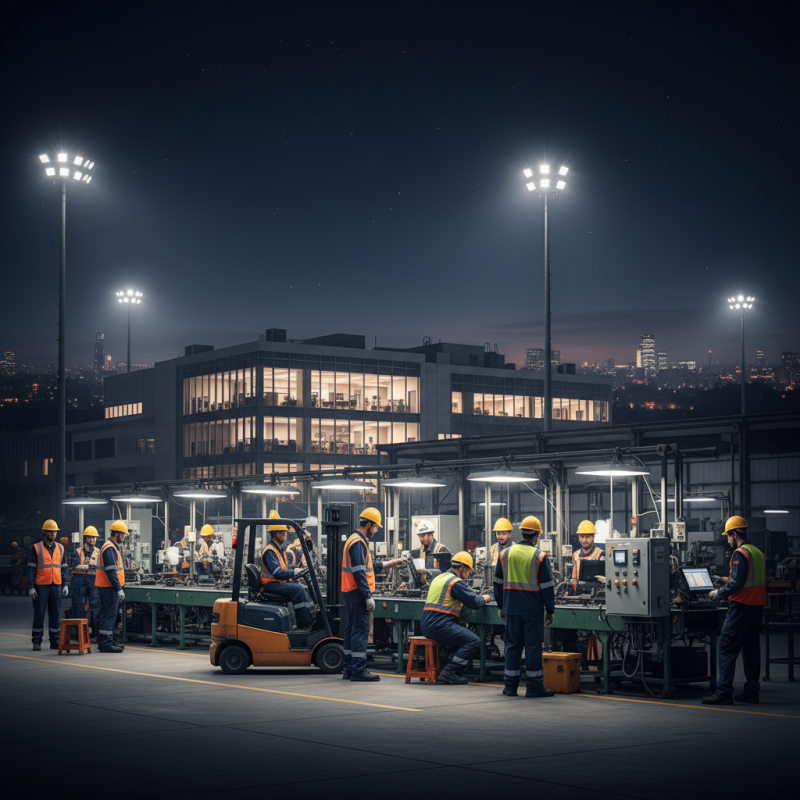
Enhancing Night Worker Safety Tips for Global Buyers

Understanding the Unique Challenges Faced by Night Workers

Night workers face unique challenges that can impact their safety and well-being. The night shift disrupts natural sleep patterns, often leading to fatigue. Fatigue reduces alertness, making workers more susceptible to accidents. Many night workers also battle social isolation. This is especially true for those who work alone during late hours. Loneliness can create mental health issues and reduce the morale essential for safety.

Another significant challenge is limited access to resources. Many night facilities have fewer personnel on site, resulting in slower emergency responses. Proper training for night workers is often overlooked. Knowledge gaps can lead to mistakes in critical situations. Additionally, night shift environments may lack adequate lighting or safety equipment. Poor visibility increases the risk of trips and falls, compounding existing hazards.

Employers must prioritize night worker safety. Comprehensive training should be mandatory, focusing on ways to manage fatigue. Providing access to mental health support can counteract feelings of isolation. Regular safety audits at night can identify risks before they result in injuries. By addressing these challenges head-on, we can create safer environments for all night workers.

Essential Safety Equipment for Night Workers

Working the night shift poses unique challenges for employees. Safety becomes a critical concern due to reduced visibility and increased fatigue. Various studies indicate that approximately 30% of night workers experience heightened risks of injury. To mitigate these dangers, essential safety equipment is paramount.

Reflective clothing remains a crucial tool for night workers. Wearing high-visibility gear increases awareness among coworkers and reduces accidents. Similarly, utilizing LED flashlights enhances visibility in dimly lit areas. A recent report noted that facilities equipped with proper lighting can see a 25% drop in workplace incidents.

Additionally, personal protective equipment (PPE) plays a vital role. Hard hats and non-slip footwear ensure physical safety. Regular training sessions help reinforce safety procedures. Workers should also rotate breaks to minimize fatigue. Engaging in proactive health assessments can further support overall well-being. By prioritizing these essentials, night workers can navigate their environments more safely.

Best Practices for Enhancing Visibility During Night Shifts

Working night shifts presents unique safety challenges, particularly regarding visibility. Poor lighting can lead to accidents and injuries. Effective strategies are crucial to enhance visibility for night workers. Utilizing high-visibility clothing is a practical step. Reflective materials can make a significant difference. Ensure clothing fits well and is durable. This provides a clear signal to others at night.

Another essential practice involves optimizing worksite lighting. Use bright, focused lights to illuminate work areas. Consider portable lights for flexibility. These can adapt to different tasks and improve overall visibility. Install lights at critical locations to minimize shadows. Regularly inspect and maintain lighting fixtures to ensure they function properly.

Employing technology can also enhance safety. Wearable lights or headlamps can provide personal illumination. They allow workers to maintain visibility while keeping their hands free. Regular training on visibility practices is necessary. Workers should understand how to use their equipment effectively. Reflect on the challenges faced at night. The environment can shift dramatically, and safety protocols must adapt accordingly.

Mental Health and Wellbeing Strategies for Night Workers

Night shift work poses unique challenges for mental health and well-being. It’s essential to address the emotional and psychological demands placed on night workers. Irregular sleep patterns can lead to feelings of anxiety and stress. Thus, having effective strategies is vital for promoting better mental health.

One essential tip is establishing a consistent sleep routine. This can help workers regulate their sleep patterns and improve the quality of their rest. Create a calming bedtime environment; darkness, silence, and cool temperatures can significantly enhance sleep quality. Another important aspect is maintaining social connections. Engage with family and friends regularly to avoid feelings of isolation. Schedule time for fun activities, even on off-nights.

In addition, prioritizing physical activity can boost mental resilience. Simple exercises during breaks can relieve stress and improve mood. Mindfulness practices, such as meditation or deep-breathing exercises, can also help workers stay centered. Reflecting on personal challenges while exploring coping mechanisms is crucial. Self-awareness leads to better understanding and management of feelings.

Enhancing Night Worker Safety Tips for Global Buyers - Mental Health and Wellbeing Strategies for Night Workers

Strategy Description Impact on Mental Health Suggested Frequency
Regular Breaks Implementing scheduled breaks to help workers recharge. Reduces stress and fatigue, improves focus. Every 2 hours
Healthy Snacks Availability Providing nutritious snacks to maintain energy levels. Supports physical health, boosts morale. Throughout the shift
Mental Health Workshops Running workshops focusing on mental resilience. Enhances coping skills, reduces anxiety. Monthly
Peer Support Groups Creating a platform for workers to share experiences. Fosters a sense of belonging, reduces isolation. Bi-weekly
Work Environment Assessment Regular reviews of workplace safety and comfort. Improves overall job satisfaction and reduces stressors. Quarterly

Creating a Safe Night Work Environment: A Guide for Employers

Creating a safe night work environment is crucial for protecting employees. Night shifts can disrupt natural rhythms, leading to fatigue. Employers must recognize these challenges and create strategies to mitigate risks.

Tips for enhancing safety include ensuring proper lighting. Dimly lit areas can hide hazards and increase accidents. When choosing lights, consider bright, energy-efficient options. Regular maintenance is key to keeping these areas well-lit.

Another important factor is promoting effective communication. Staff members should have access to reliable communication tools. Emergency protocols must be clear and accessible. Conduct regular training sessions to reinforce procedures. This creates a culture of safety and encourages employees to report potential issues.

Employers should cultivate a supportive atmosphere. Night workers may feel isolated or undervalued. Encourage social interactions and teamwork. Scheduled breaks can help recharge employees and enhance productivity. Addressing these aspects can lead to better safety outcomes.

FAQS

: What is the main safety concern for night workers?

: Reduced visibility and increased fatigue are major safety issues for night workers.

How can reflective clothing help night workers?

Reflective clothing increases awareness among coworkers and reduces the risk of accidents at work.

Why are LED flashlights important for night workers?

LED flashlights enhance visibility in dimly lit areas, helping workers navigate their environment safely.

What role does personal protective equipment play?

PPE, like hard hats and non-slip shoes, ensures physical safety for night workers during their shifts.

How can night workers improve their mental health?

Establishing a consistent sleep routine can help regulate sleep patterns and improve overall mental health.

Why is social connection important for night workers?

Regular engagement with friends and family helps combat feelings of isolation among night workers.

What physical activities can benefit night workers?

Simple exercises during breaks relieve stress and can significantly boost mood and mental resilience.

How does mindfulness contribute to mental health?

Mindfulness practices, such as meditation, help night workers manage stress and stay centered.

What common issue do night workers face regarding sleep?

Irregular sleep patterns often lead to anxiety and stress among night workers.

Why is self-reflection important for night workers?

Reflecting on personal challenges fosters self-awareness, aiding in emotional management and coping strategies.

Conclusion

The article "Enhancing Night Worker Safety Tips for Global Buyers" addresses the unique challenges that night workers face, emphasizing the importance of safety in often perilous conditions. It outlines essential safety equipment that can minimize risks, including reflective clothing and personal protective gear. Best practices for improving visibility during night shifts are also discussed, such as using adequate lighting and installing high-visibility signs.

Furthermore, the article highlights the mental health and well-being strategies necessary for night workers, acknowledging the potential psychological impacts of night shifts. To create a safe night work environment, the guide provides actionable insights for employers, focusing on how to enhance worker safety at night through training and proper workplace policies. By implementing these strategies, employers can better support their night workers, ensuring a safer and more conducive work atmosphere.

Sophia

Sophia

Sophia is a dedicated marketing professional with an exceptional depth of knowledge about her company's products and services. With a keen understanding of market trends and customer needs, she crafts insightful blog posts that not only inform but also engage readers, enriching the company’s online......