In today's fast-paced construction environment, effectively managing traffic flow in temporary work zones is crucial. Experts emphasize the importance of clear strategies. For instance, Dr. Mark Reynolds, a leading transportation engineer, states, "Proactive planning and precise communication can minimize disruptions in work zones."
Temporary work zones can create confusion for drivers. Without proper guidance, traffic can quickly become congested. It is essential to implement clear signage, lane markings, and traffic control measures. These elements help guide vehicles safely around construction sites.
However, many projects falter due to a lack of foresight. A reactive approach often leads to increased delays and frustration. Understanding how to manage traffic flow in temporary work zones requires ongoing evaluation and adaptation. It is a challenge that demands continuous improvement and careful planning. By addressing these issues head-on, we can enhance safety for both workers and road users.
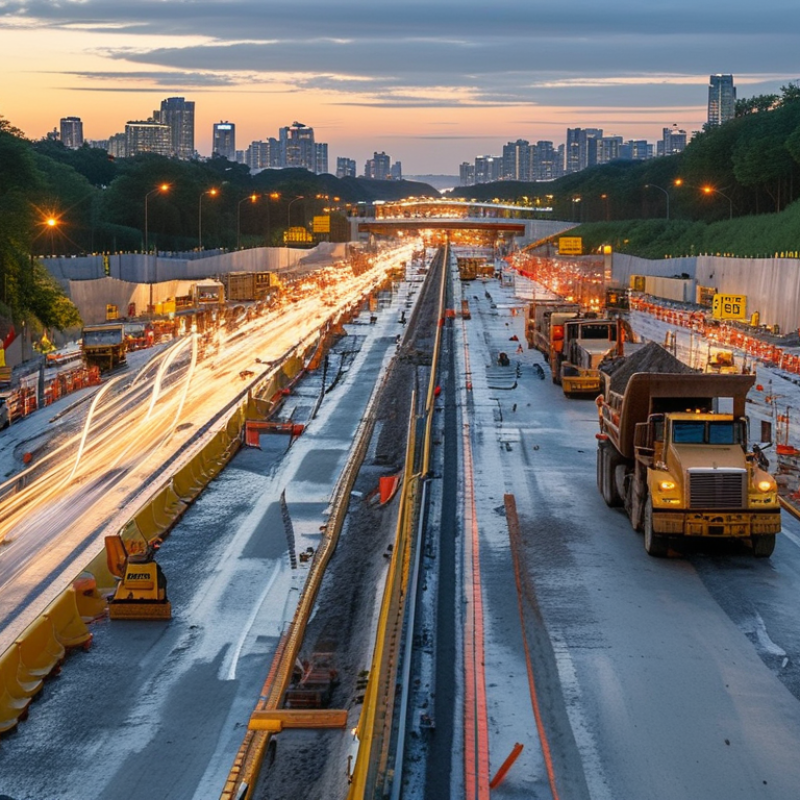
Understanding the Importance of Traffic Management in Work Zones
Traffic management in work zones is crucial for safety and efficiency. When construction occurs, the normal flow of traffic is disrupted. This disruption can lead to delays, accidents, and driver frustration. It's essential to effectively manage this flow to protect both workers and motorists.
Proper signage, well-planned detours, and active traffic control can significantly improve situations in work zones. Experienced traffic managers often rely on real-time data to adjust strategies. They may use cones and barriers to direct vehicles safely. Clear communication with drivers is vital. Messages should be simple and visible, as mixed signals can create confusion.
Despite all preparations, issues may still arise. Unexpected delays or accidents can occur, testing the resilience of traffic plans. Communities often feel the impact of work zones beyond immediate safety concerns. Residents voice frustrations, which adds pressure on authorities. Reflecting on these challenges can help in developing better strategies for future projects.
Key Challenges in Maintaining Traffic Flow During Construction
Maintaining traffic flow in temporary work zones presents several challenges that can impact both safety and efficiency. One major issue is the unpredictable nature of construction schedules. Delays can happen due to weather or equipment failures, creating unexpected traffic bottlenecks. Drivers often encounter last-minute changes, which leads to frustration and confusion. It is essential to keep them informed about detours and lane closures.
Another challenge lies in the design of the temporary traffic control plan. If signage is inadequate or unclear, drivers may not respond appropriately to changed road conditions. This can result in sudden braking or lane changes, heightening the risk of accidents. This situation calls for a careful balance between necessary construction and maintaining a steady vehicle flow. Enhanced coordination between construction teams and traffic management officials is crucial to address these issues effectively.
Communication also plays a significant role. Many jurisdictions overlook the importance of pre-construction awareness campaigns. Without clear messaging, drivers may not understand the reasons for delays. Even small details, like when to expect increased traffic, can make a difference. Overall, addressing these challenges requires continuous adaptation and focus on the safety of both workers and drivers alike.
Traffic Flow Management in Temporary Work Zones
The chart illustrates the average number of vehicles per hour at different phases of construction. As we can see, there is a significant drop in traffic flow during the construction phase, shedding light on the challenges faced in managing traffic in temporary work zones.
Best Practices for Setting Up Temporary Traffic Control Devices
Setting up effective temporary traffic control devices requires careful planning and execution. First, it’s essential to assess the work zone and its surroundings. Identify traffic patterns and understand peak hours. This knowledge will guide the placement of signage and barriers. Using bright colors and reflective materials can increase visibility, especially at night. However, one common mistake is underestimating the need for sufficient warning signs. Placing these too far back can result in late reactions from drivers.
Next, consider the layout of the work zone. Ensure that devices are spaced correctly. Drivers need clear pathways to navigate safely. Having too many devices in a small area can cause confusion, leading to potential accidents. Regular maintenance is paramount. Devices might be damaged or moved by weather or traffic. Check them frequently to ensure they remain effective.
Finally, communicate with the public. Use social media or local news to inform the community about ongoing work. This proactive approach can reduce frustration and improve compliance with traffic changes. Engaging with local authorities can help in receiving feedback about the setup. Not addressing community concerns can create resistance and diminish the effectiveness of the plan.
Effective Communication Strategies for Drivers in Work Zones
Effective communication strategies are vital for managing traffic flow in temporary work zones. Clear signs and signals can significantly reduce confusion among drivers. According to the Federal Highway Administration, implementing effective signs can enhance driver understanding by 70%. Visual aids alone will not suffice. Workers should also engage in active communication, using flags or digital devices to direct traffic. This dual approach can prevent accidents and ensure smooth transitions through construction areas.
Implementing regular traffic updates can enhance awareness among motorists. Sharing real-time information via social media or digital signage can lead to a 15% reduction in traffic delays. Drivers who are informed about possible detours may adjust their routes. This proactive strategy helps alleviate congestion and minimizes frustration.
When creating an environment conducive to safety, consider these actions: ensure all signs are highly visible and well-lit, and train personnel to communicate effectively with drivers. Poor visibility or unclear messages can lead to misunderstandings, which may result in accidents. A careful review of communication methods used in work zones is essential. Regularly soliciting feedback from road users can provide insights into areas of improvement. This focus on real-time feedback allows for ongoing refinement of communication strategies.
Monitoring and Adapting Traffic Patterns in Real-Time
Monitoring traffic patterns in real-time is crucial for managing temporary work zones. Effective traffic management requires constant observation and quick adaptation. Utilizing technology can help gather real-time data. Sensors and cameras can provide valuable insights into traffic flow. Analyzing this data allows for timely adjustments to signage and lane usage.
To enhance traffic flow, be proactive rather than reactive. Adjust traffic signals according to current conditions. Communicate effectively with drivers through clear messages. This can prevent confusion and reduce delays. Keeping all staff informed is equally important. Everyone should understand their roles and the current traffic situation.
Consider public feedback regularly. Drivers may have unique viewpoints on traffic patterns. Their experiences can highlight issues that data might miss. Engaging with the community can lead to better solutions. Regularly review and analyze traffic data, looking for evolving trends. This approach can lead to improved safety and efficiency in work zones.
Conclusion
Effective traffic management in temporary work zones is crucial for ensuring the safety of both construction workers and drivers. Understanding the importance of traffic management involves recognizing the key challenges that arise during construction, such as unexpected delays and driver confusion. To address these issues, best practices for setting up temporary traffic control devices should be implemented, ensuring clear visibility and appropriate signage.
Additionally, employing effective communication strategies for drivers, such as using digital message boards and regular updates, can significantly enhance their awareness of changing road conditions. Monitoring and adapting traffic patterns in real-time is also essential for managing congestion and minimizing disruptions. By exploring how to manage traffic flow in temporary work zones, we can create safer environments that facilitate smooth vehicle movement while construction activities are underway.

 Agonex Safety