In high-risk work areas, the potential for accidents looms large. Understanding how to reduce accidents in high risk work areas is essential for any organization. These spaces often involve hazardous materials, heavy machinery, or intense physical activity. Every incident can have serious consequences, not just for workers but also for the overall business reputation.
Effective training and awareness programs are crucial in these environments. Employees must be educated about risks and safety protocols. Real-life examples show that when workers are engaged, incidents decrease. However, some companies still overlook the importance of regular safety drills. Such negligence can lead to dire outcomes. Leaders should actively encourage feedback from staff to enhance safety practices.
Creating a culture of safety requires continuous effort. Challenges may arise, and accidents can still occur despite precautions. This reality highlights the need for ongoing reflection and improvement. Organizations should remain vigilant and adaptable, recognizing that reducing accidents is a dynamic process. By focusing on proactive strategies, they can protect their most valuable asset—their workforce.
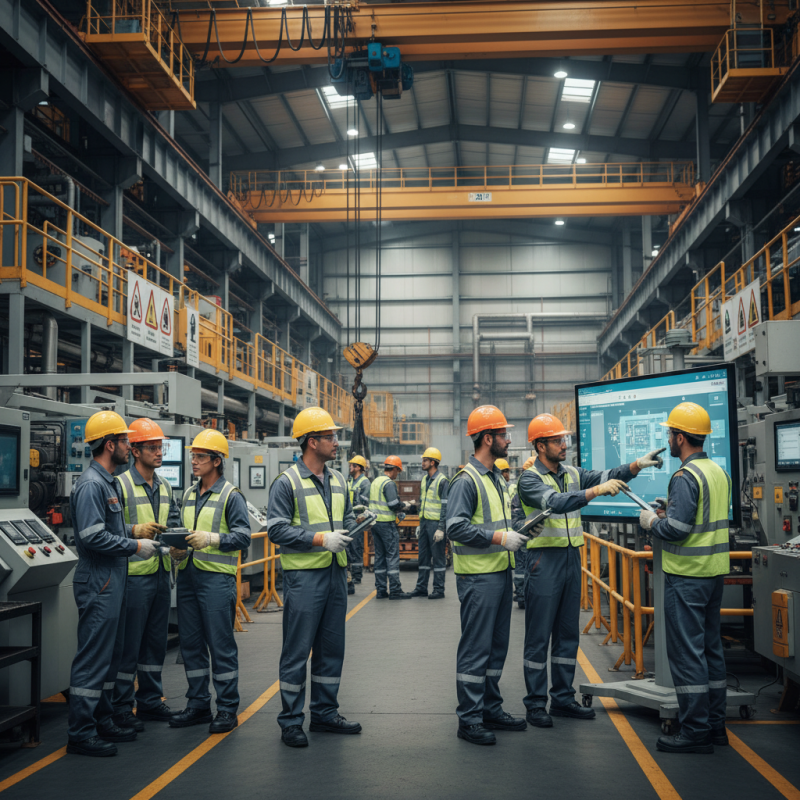
Identifying high-risk work areas is crucial for safety. These areas often feature moving machinery, high elevations, or hazardous materials. Regular assessments help pinpoint risks. Employees should be involved in this process. Their insights can highlight overlooked dangers in their daily tasks.
One effective tip is to conduct daily inspections. Encourage workers to report potential hazards. Immediate reporting can prevent accidents before they occur. Training sessions focused on identifying risks can empower your team. They should know what to look for and how to react.
Creating a clear signage system is also beneficial. Signs can alert workers to dangerous zones. Visual cues help reinforce a safety culture. However, over-relying on signage can lead to complacency. Regular reminders and discussions about safety are essential. Remember, safety is a collective responsibility.
In high-risk work areas, accidents can have devastating impacts. Implementing comprehensive safety training programs is essential for mitigating these risks. According to industry reports, workplaces with robust safety training see a 30% reduction in accidents. This underscores the importance of effective training initiatives.
Investing in tailored training programs is crucial. Employers should focus on hands-on approaches, allowing employees to practice safety protocols in real situations. Periodic refresher courses can maintain safety awareness. Furthermore, engaging workers through interactive sessions boosts retention and promotes a culture of safety. These methods have proven to lower incident rates significantly.
Another key tip involves encouraging open communication. Workers should feel comfortable reporting hazards without fear of retaliation. This proactive approach can identify potential risks early on. An estimated 40% of workplace accidents occur due to unreported hazards. Regular safety meetings can help foster this environment while keeping safety top of mind.
In high-risk work areas, utilizing proper Personal Protective Equipment (PPE) is essential for safety. PPE includes gloves, helmets, goggles, and more. Each item serves a specific purpose. Wearing the right gear can significantly reduce the chance of injuries.
Choose the appropriate PPE for your specific job tasks. For instance, if you work with chemicals, ensure your gloves are chemical-resistant. This choice can prevent skin exposure and potential long-term health effects. Regularly inspect your equipment for wear and tear. Damaged PPE may fail when you need it most. No one wants to wear equipment that does not function properly.
Training is crucial. Employees must know how to use PPE correctly. Provide demonstrations to illustrate proper usage. Misunderstanding how to wear or maintain PPE can lead to accidents. Encourage workers to advocate for safety by discussing any concerns about their gear. An open dialogue creates a safer work environment.
Establishing clear safety protocols and guidelines is essential in high-risk work areas. Research indicates that nearly 29% of workplace injuries occur in sectors like construction and manufacturing. A robust safety protocol can significantly mitigate these risks. For instance, creating a detailed safety manual can provide workers with explicit instructions on hazard recognition. Regular training sessions ensure that all employees understand these protocols.
Engaging employees in safety discussions fosters a culture of awareness. They can share personal experiences, identifying potential pitfalls in existing procedures. A report by the Occupational Safety and Health Administration (OSHA) highlighted that work environments with regular safety meetings saw a 15% reduction in accidents. This shows the importance of using input from ground-level workers to refine protocols continuously.
It's crucial to remember that even the best guidelines can be ineffective if not followed. A survey by the National Safety Council found that 43% of workers reported witnessing safety rule violations. Addressing these behaviors proactively can create a more compliant workforce. By emphasizing accountability, companies can enhance the efficacy of their safety measures.
Regular maintenance and inspection of equipment are crucial in high-risk work areas. Regular checks help identify potential issues before they escalate. Operators should be trained to recognize wear and tear. A simple visual inspection can reveal significant problems, like leaks or unusual noises. This proactive approach saves lives and resources.
Scheduling routine maintenance can be challenging. Work pressure often leads to overlooking these critical tasks. Even minor repairs can be delayed for weeks. These delays increase the risk of accidents. A designated maintenance team can alleviate this issue. Their focus ensures that equipment runs smoothly and safely.
Documentation is vital. Keeping detailed records of inspections helps track the condition of equipment over time. This data informs future decisions and maintenance schedules. When safety is compromised, it’s essential to have a plan. Encourage a culture of reporting and accountability. Promoting open communication reduces the risks associated with equipment failures.
: They reduce accidents by up to 30%. Effective training saves lives and prevents injuries.
Hands-on approaches work best. Practice in real situations enhances learning and safety retention.
Periodic refresher courses are essential. Regular training keeps safety awareness high among employees.
Encourage open communication. Workers should feel comfortable reporting issues without fear of retaliation.
Approximately 40% of accidents occur due to unreported hazards. Proactive reporting can mitigate risks.
It fosters awareness and allows sharing of experiences. Input helps refine procedures and improve safety.
Regular meetings can lead to a 15% reduction in accidents. They keep safety at the forefront.
Even good guidelines fail if ignored. Accountability is key to compliance and effectiveness.
Yes, sharing experiences can identify pitfalls. This input is valuable for enhancing safety measures.
Proactively addressing violations is essential. A compliant workforce enhances overall safety effectiveness.
Reducing accidents in high-risk work areas is essential for ensuring the safety and well-being of employees. To effectively tackle this issue, organizations should start by identifying the specific high-risk areas in their workplace, allowing them to tailor their safety measures accordingly. Comprehensive safety training programs can equip employees with the necessary knowledge and skills to recognize hazards and react appropriately, fostering a culture of safety.
Additionally, the use of proper personal protective equipment (PPE) is crucial in minimizing injury risks. Establishing clear safety protocols and guidelines ensures that all employees are aware of the procedures they need to follow in various scenarios. Finally, regular maintenance and inspection of equipment help prevent failures and accidents, further reinforcing the commitment to how to reduce accidents in high risk work areas. By implementing these strategies, workplaces can create a safer environment for all personnel.

Agonex Safety