China’s traffic safety requirements cover more than speed limits and seat belts. They connect road design, vehicle condition, driver conduct, and emergency response. The scale matters: the World Health Organization’s Global Status Report on Road Safety 2023 estimates that about 1.19 million people die in road crashes worldwide each year. It also identifies road traffic injuries as the leading cause of death for people aged 5–29. These figures make everyday details significant: a helmet secured under the chin, a clear crossing, or a vehicle inspection completed on time.
So, what are the key requirements for traffic safety control in China? This outline examines the main rules and practical controls, including licensing, vehicle registration, road-use behavior, and workplace or fleet management. China’s framework draws on national laws, regulations, and technical standards, while local conditions affect how risks appear on busy urban roads and long-distance routes. The United Nations’ Global Plan for the Decade of Action for Road Safety 2021–2030 calls for substantial reductions in road deaths and injuries. Targets help, but they do not prevent a crash by themselves. Enforcement, maintenance, and public understanding must work together. Even then, gaps can remain—especially when drivers treat routine checks as paperwork rather than protection.
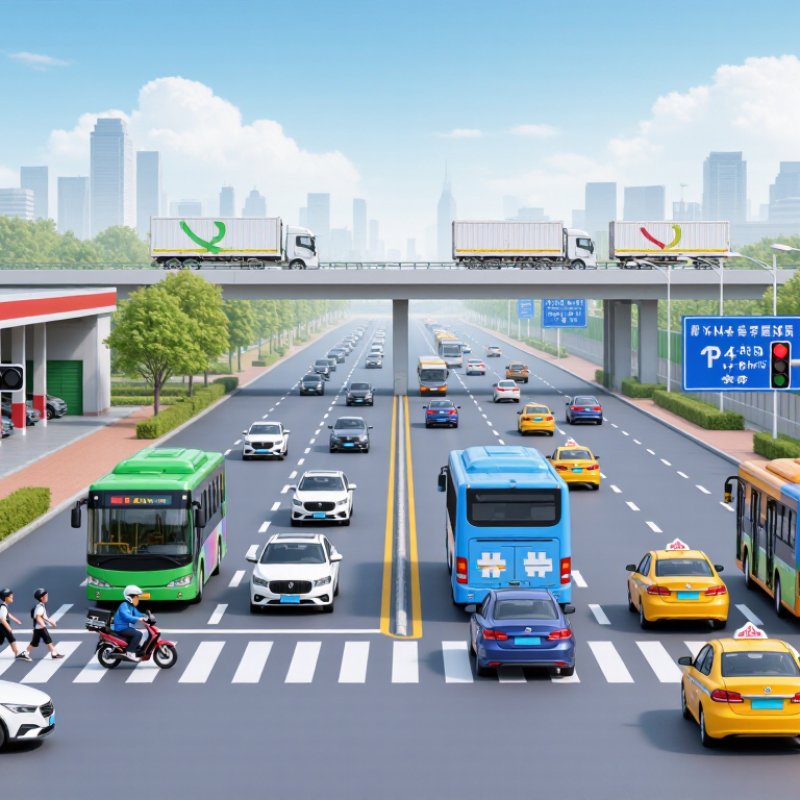
China’s Road Traffic Safety Law sets a clear baseline for occupant protection. Article 51 requires motor vehicle drivers and passengers to use safety belts while a vehicle is moving. Motorcycle drivers and passengers must wear safety helmets. The rule applies on ordinary streets, not only highways. A short trip across town still counts.
The practical details matter. A belt should lie flat across the chest and hips, not under an arm; a helmet should fit securely and be fastened. Article 51 states the duty, while related regulations and local enforcement shape how it is applied. The World Health Organization’s Global Status Report on Road Safety 2023 estimates that road crashes cause about 1.19 million deaths worldwide each year. WHO also reports that seat belts can reduce the risk of death for front-seat occupants by 45–50%, and properly worn helmets can reduce the risk of death by more than six times. These figures are global, not China-specific. The law is easy to quote. Consistent use, especially on a hurried ride or a quiet back seat, is harder to measure—and that gap deserves attention.
Before traveling in China, confirm that your driving documents match the vehicle you plan to use. A familiar home-country license may not authorize driving there. An International Driving Permit alone is generally insufficient; visitors usually need a Chinese temporary driving permit or other locally accepted authorization. Rules can vary. Ask the traffic authority in the city where you will drive about translations, medical checks, and required paperwork. Allow time for processing; a last-minute assumption can leave you unable to drive.
For a locally registered car, check that its registration certificate, any required inspection, and compulsory insurance are current. With a rental vehicle, ask who verifies these documents before you collect the keys. Do not rely on a booking confirmation. Carry your passport, valid driving authorization, and the vehicle papers required for your trip. Keep clear copies separately, but confirm when originals are required. Taking a foreign-registered vehicle into China involves separate entry permissions and procedures, so check official guidance well ahead.
A quick call can prevent a long wait. It is easy to assume that a document accepted in one city works everywhere, but local offices may ask for different forms or translations. Confirm that your permit covers the vehicle category and ask whether insurance covers every intended driver. Save the relevant authority’s contact details and check again shortly before departure, since procedures can change.
Article 51 of China’s Road Traffic Safety Law sets a clear rule for vehicle occupants. When a motor vehicle is moving, drivers and passengers must use seat belts as required by applicable regulations. Motorcycle drivers and passengers must wear safety helmets. This includes the person riding behind the driver. Small details matter.
On a short city trip, it can feel tempting to buckle up only after the engine starts. A belt should lie flat across the chest and low over the hips. Check that it is not twisted or trapped under a bag. The click is useful, but it does not prove a good fit. It is easy to treat the buckle as the whole job; it isn’t. Motorcycle riders should fasten the helmet’s chin strap and check that the helmet sits securely.
A helmet resting on the seat offers no protection in a fall. Passengers also have a role; they should check their own belt or helmet rather than assume someone else has done it. Requirements for proper use may be explained in related regulations, so consult current official guidance for the vehicle and journey. That extra check can feel fussy, especially on familiar roads. It is still worth doing.
Posted speed limits and road signs help drivers respond to changing conditions across China’s busy roads. A limit may change near a school, tunnel, work zone, or city boundary, so check signs rather than relying on memory. Allow extra time to notice them. A navigation display can help, but it may not reflect a recent change. The roadside sign should guide your decision. Slow down early, especially when rain makes lane markings harder to see. Small details matter.
Road signs also give important clues about lane direction, turns, crossings, and temporary restrictions. Look well ahead, not only at the vehicle directly in front of you. At a wide intersection, overhead signs may indicate which lane serves your route. Changing lanes at the last moment can surprise nearby drivers. Keep a steady pace and leave room to brake. It is easy to feel pressured by traffic moving quickly, but matching that pace is not always safe. I would rather pause and check a sign than make a hurried turn; even then, unfamiliar layouts can be confusing. If a sign is unclear, reduce speed where safe and follow the marked lane instead of guessing.
The World Health Organization estimated 248,000 road deaths in China in 2021. That figure is an estimate, not a simple tally of every officially recorded crash. Still, it signals a serious public safety burden. Behind each number may be an empty seat at dinner, a damaged bicycle, or a family waiting for news.
Traffic safety requirements matter most when people follow them consistently. Drivers should observe posted speed limits, avoid phone use, and make sure passengers wear seat belts. Riders on motorcycles and electric bikes should use suitable helmets and check that they fit securely. At a busy junction, a few seconds of impatience can put pedestrians and turning vehicles in conflict.
Enforcement can help discourage risky behavior, but a rule on paper is not enough. No system catches every danger, and enforcement may feel uneven from one road to another. That is a real weakness worth examining.
Local authorities can support safer travel through visible checks, clear road signs, and safer crossings near schools and transit stops. Drivers can reduce risk by slowing down near people on foot, even when the road looks clear. Small actions matter.
Reliable safety work also needs careful data: estimates and official records may use different methods, so they should not be treated as interchangeable. When reviewing road deaths, decision-makers should ask where crashes happen, who is most exposed, and whether prevention measures reach those places.
Drivers and passengers must use seat belts as required. Passengers should check their own belts, too.
It should lie flat across the chest and low over the hips. Check for twists or trapped fabric. The buckle click alone is not enough.
Motorcycle drivers and passengers should wear safety helmets, including the person riding behind the driver.
The helmet should sit securely, and its chin strap should be fastened. A helmet on the seat offers no protection.
Check your own belt or helmet rather than assuming someone else has checked it. A familiar route can still bring surprises.
It estimated 248,000 road deaths. This is an estimate, not a count of every officially recorded crash.
Drivers can follow speed limits, avoid phone use, and slow near pedestrians. Riders should use suitable, well-fitting helmets.
They can provide visible checks, clear signs, and safer crossings near schools and transit stops. But no system catches every danger.
Estimates and official records may use different methods, so they are not interchangeable. That distinction is easy to overlook.
China’s traffic safety requirements are grounded in the Road Traffic Safety Law, including Article 51, which sets rules for the use of seat belts and motorcycle helmets. Before traveling, drivers should confirm that they hold the appropriate license and that their vehicle is properly registered. These basic checks help ensure that both drivers and vehicles meet the requirements for road use.
To understand what are the key requirements for traffic safety control, travelers should also follow posted speed limits, obey road signs, and use required protective equipment. These measures can reduce crash risks and help protect everyone on the road. The need for consistent attention to traffic safety is underscored by the World Health Organization’s estimate of 248,000 road deaths in China in 2021.

Agonex Safety